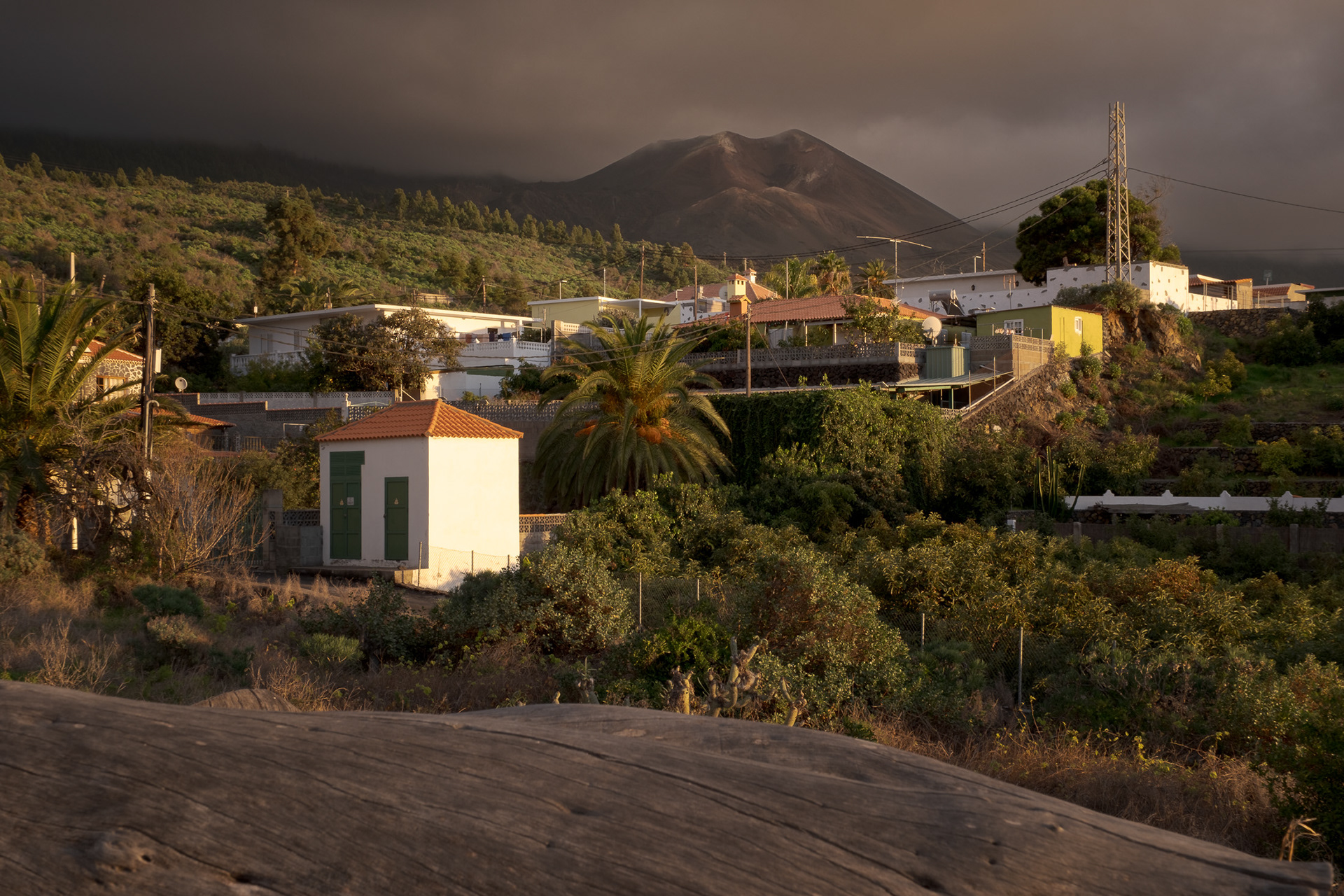
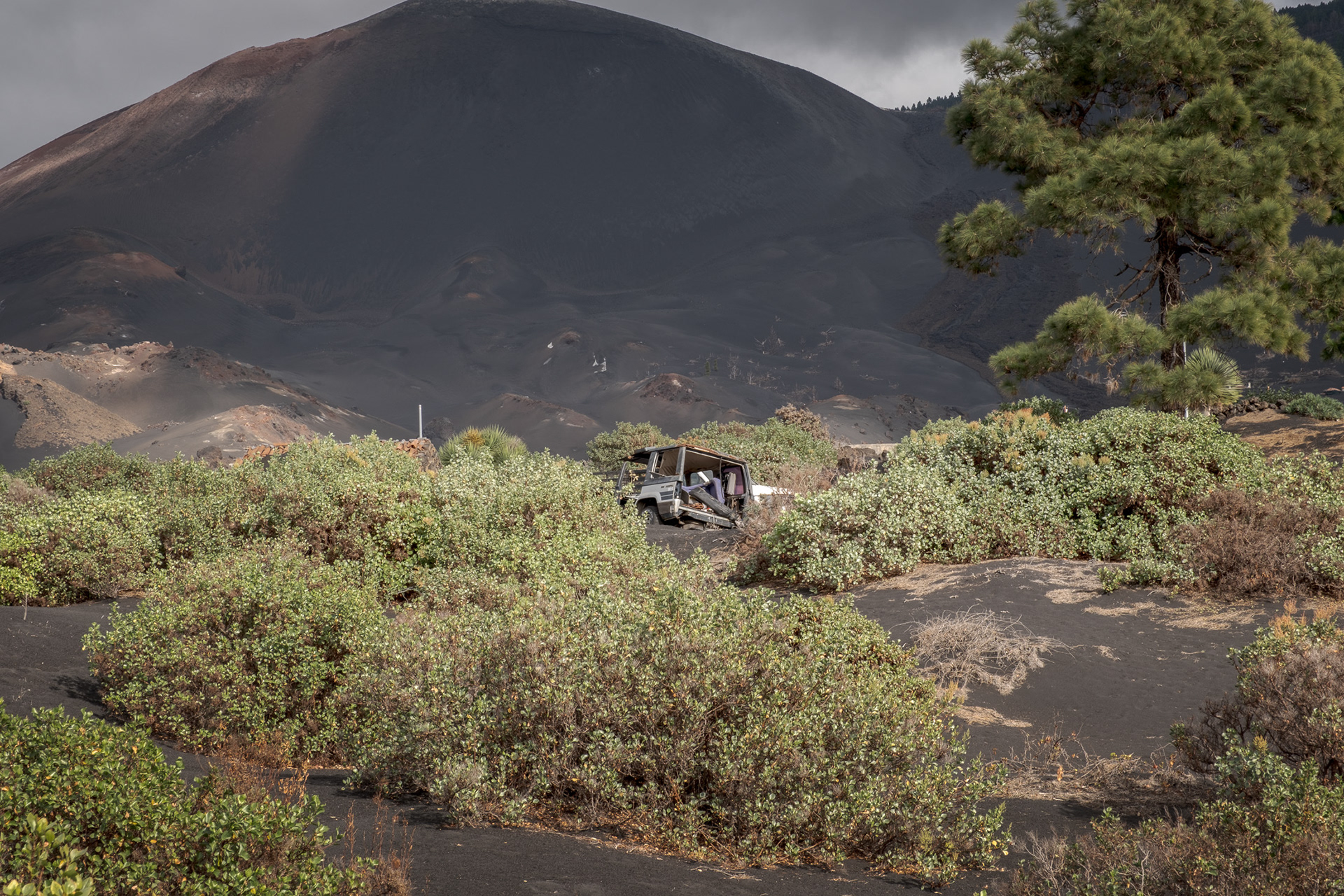
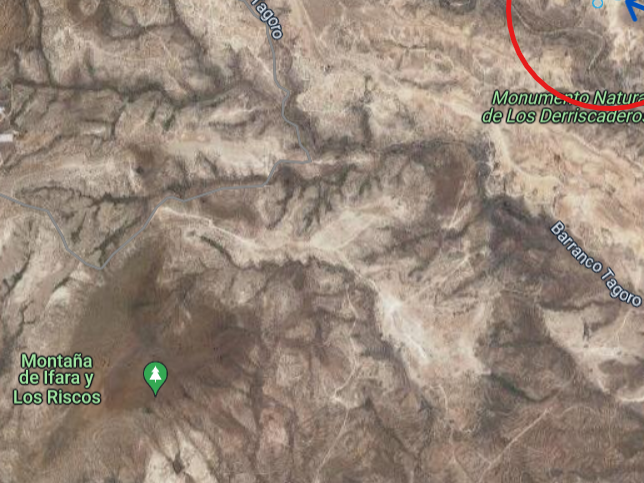
On September 19, 2021, the Tajogaite volcano awoke in La Palma. Exactly 50 years had passed since the last eruption on the island, when Teneguía marked 1971 in the collective Canarian memory.
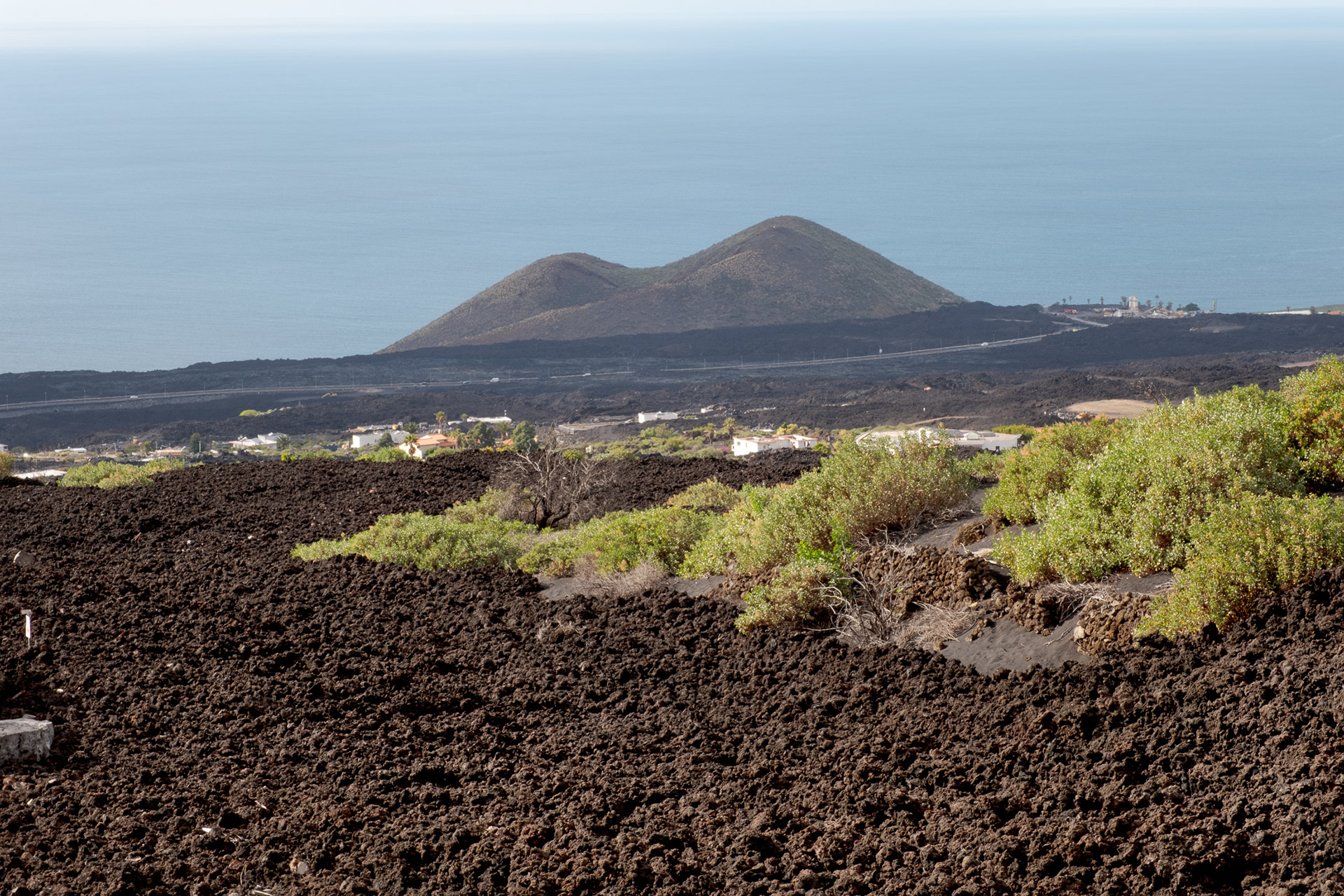
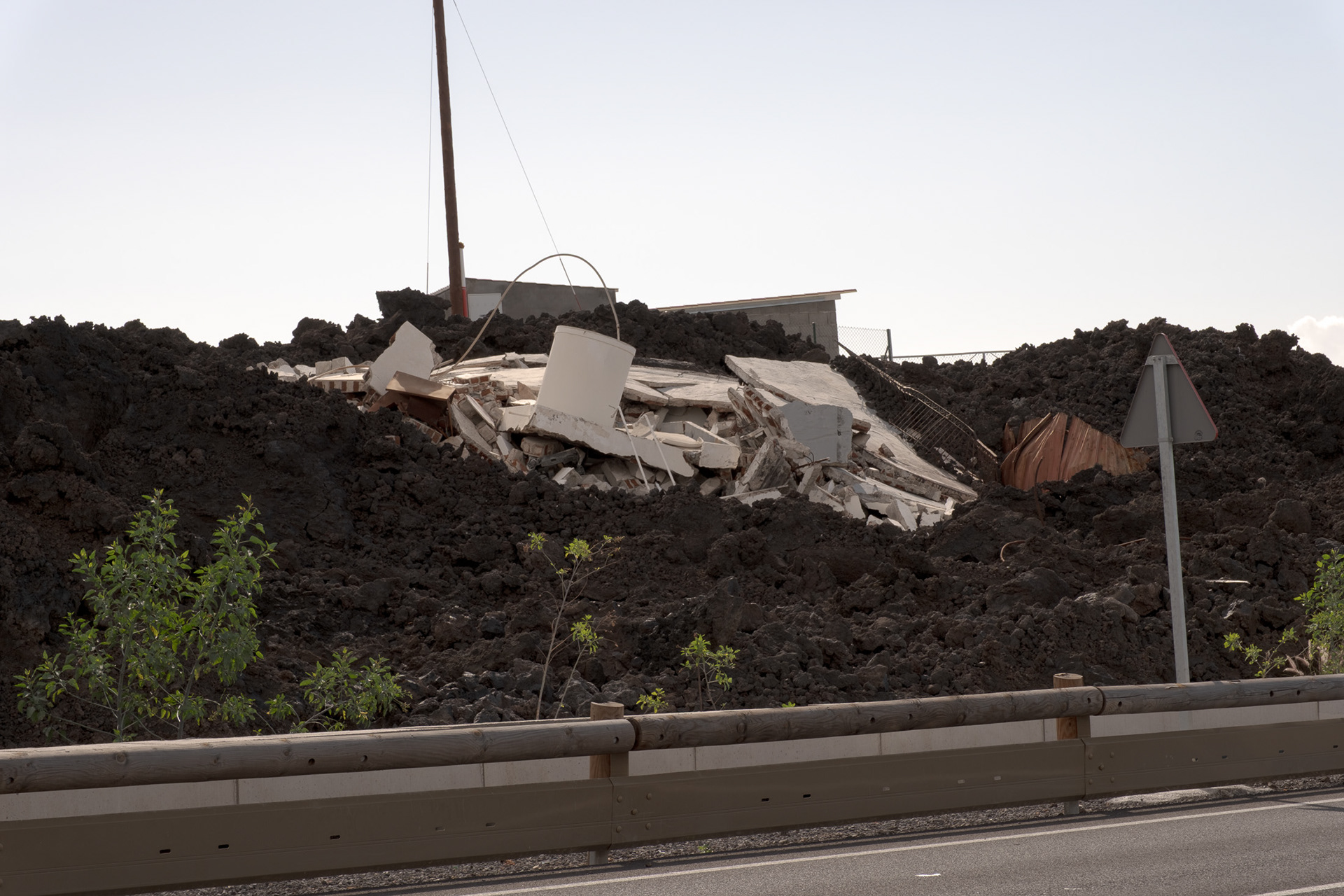
For 84 days, lava destroyed homes, crops, roads. Thousands of people evacuated, families relocated, farmers without land, ranchers without livestock. There was one death. A tragedy within the tragedy.
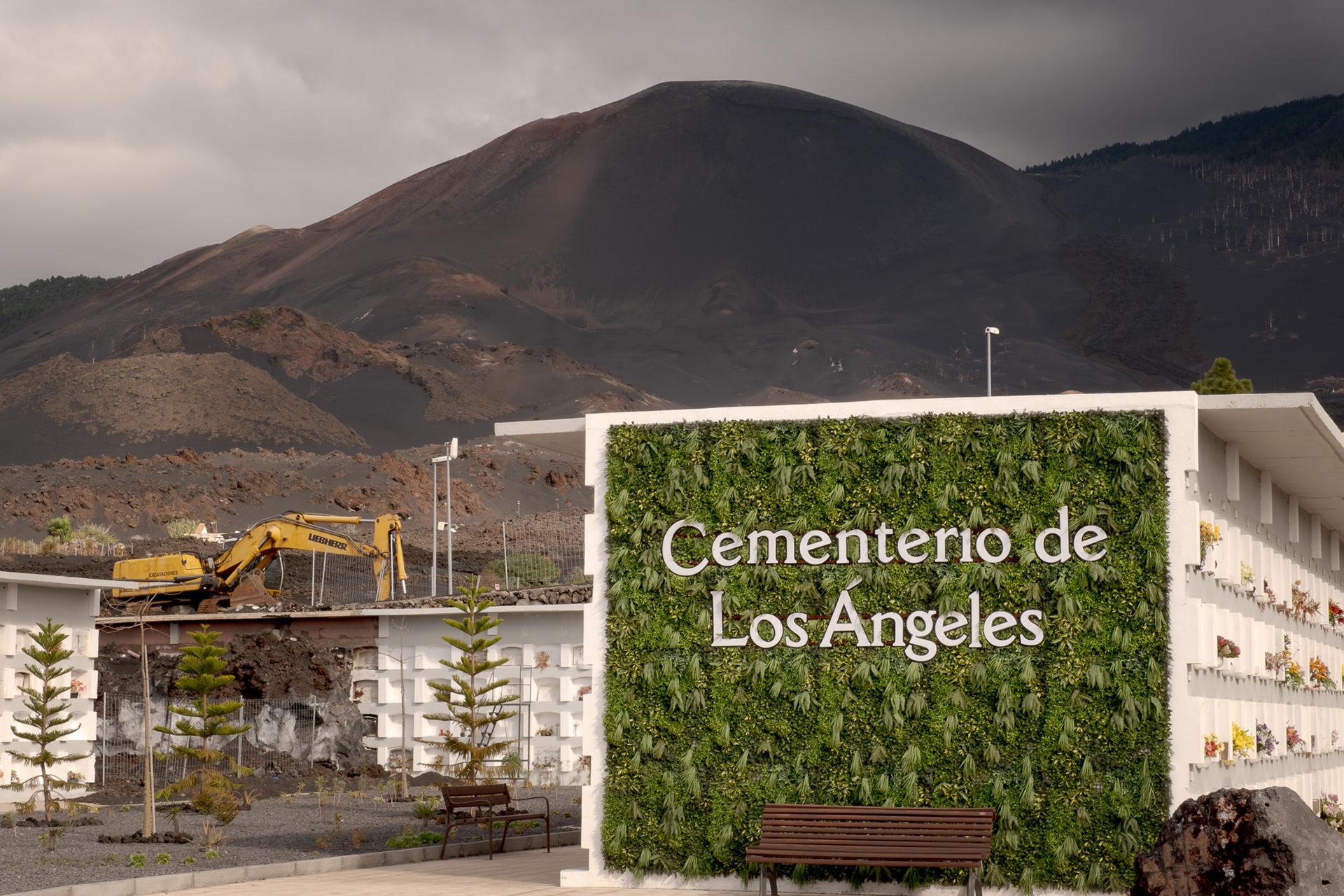
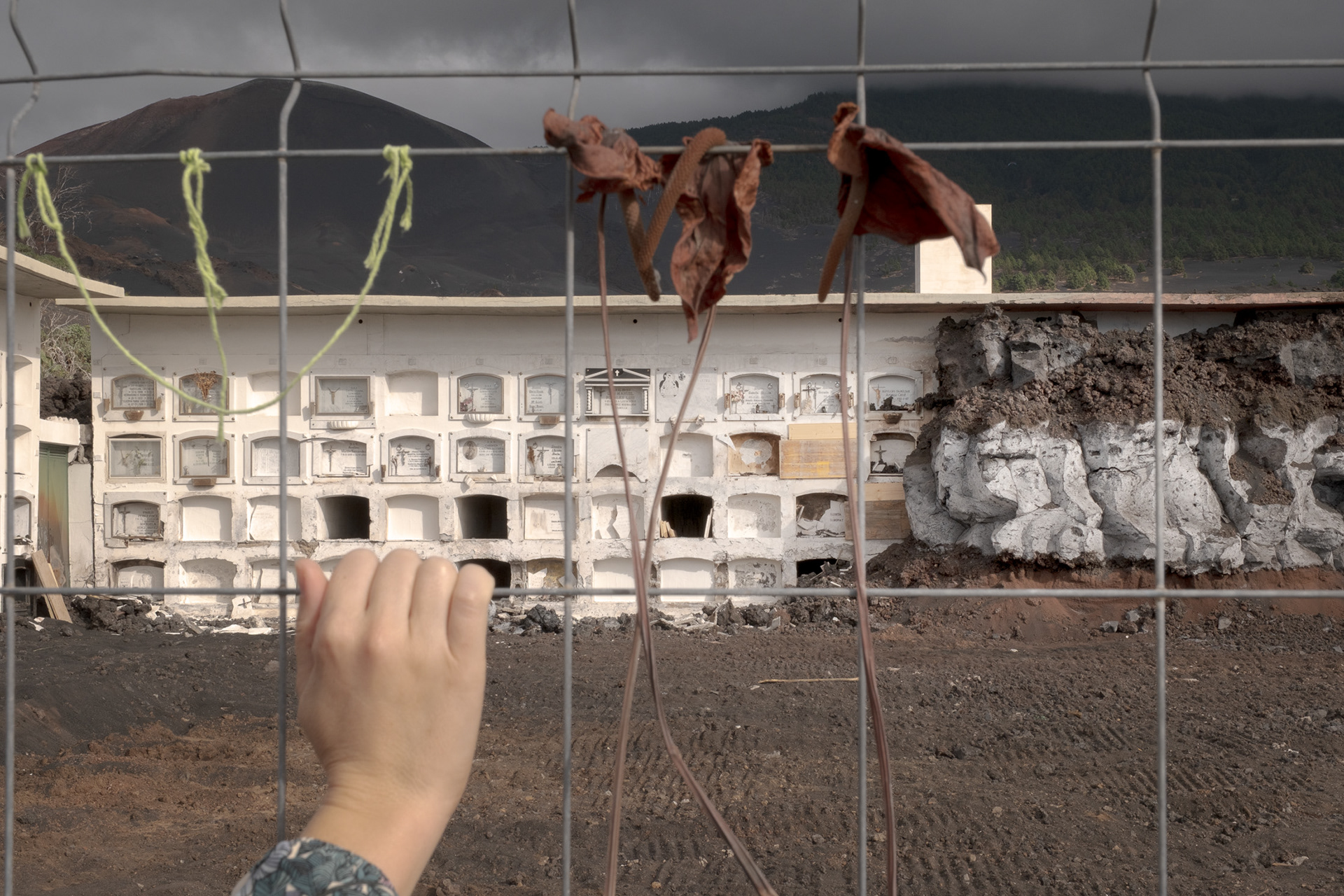
But when taking stock of what was lost, there's something almost no one mentions: the Los Ángeles Cemetery, located at the foot of the volcano. The lava buried entire niches. The dead were buried for a second time.
Some niches could be moved in time. Others remained under meters of black volcanic rock, along with the memories and flowers their families left the last time they visited.
Four years later
Four years have passed since that eruption and cleanup work continues. Some niches have already been recovered. Others are still waiting their turn under the ash.
Families return to the cemetery and walk among half-cleaned graves, under the shadow of the volcano that still smokes in some cracks. They glance sideways at the dark cone, warily. They know it can awaken again.
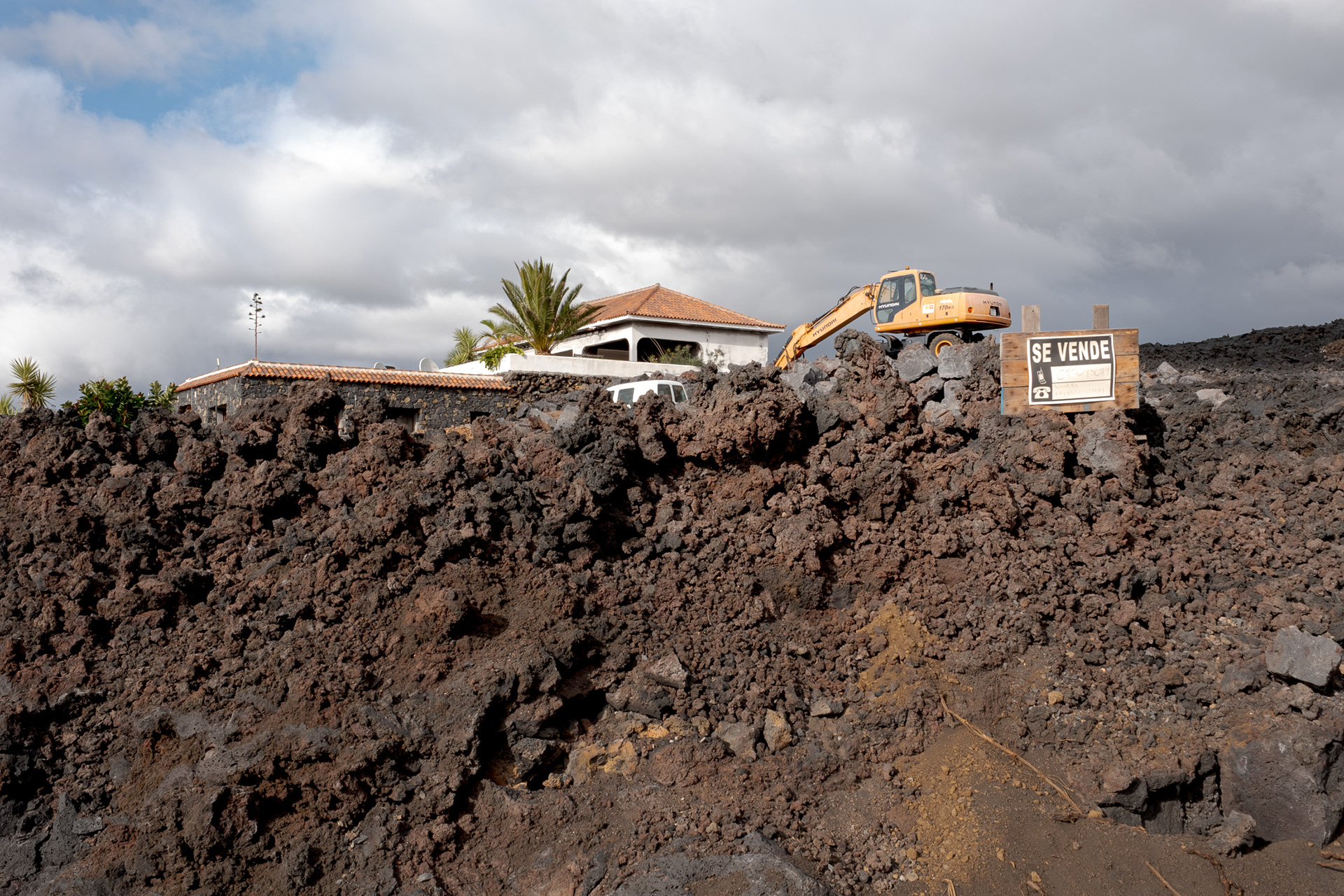
Mateo is the operator of one of the excavators working in the area. He's been cleaning for almost four years: first houses, then farms, now the cemetery. He goes where he's called.
"It's hard work," he says. "Most of the houses I clean have no solution. The lava softens the walls just by being there. It makes them uninhabitable."
While moving volcanic debris from the graveyard, Mateo tells the same thing he repeats at every job: many memories are lost. Not everything can be recovered.
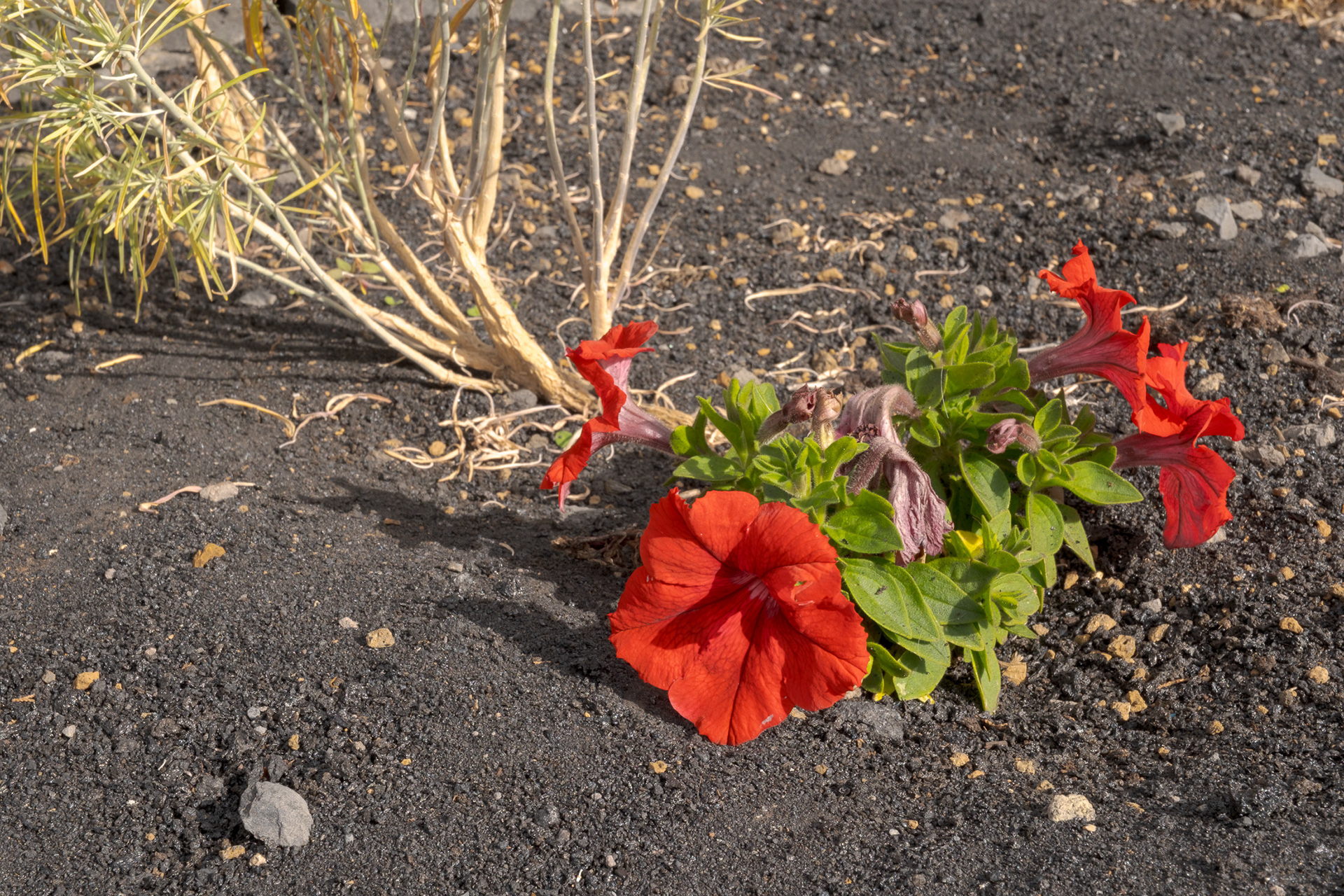
The families wait. The volcano watches. And beneath the black earth, the dead await to be unearthed once more.